


Austria quietly occupies a sweet spot for international students who want rigorous academics, a high standard of living, and quick access to the rest of Europe. This article walks you through the academic system, practical steps to apply, and what daily life looks like for students who choose Austria as their study destination. Whether you’re chasing a technical master’s, an arts degree, or doctoral research, you’ll find practical advice and real-world perspective here.
Why choose Austria for higher education?
Austria blends centuries-old academic traditions with contemporary research and industry ties, making it attractive beyond its alpine postcard image. Universities in Austria often partner with businesses and research institutes, so students gain exposure to applied projects and career pathways alongside theoretical study.
The country’s central European location is not just picturesque; it’s strategic. A summer internship in Vienna can lead to conferences in Munich or Zurich within a day, and student rail passes make short trips affordable for academic networking and cultural exploration.
For many international students, Austria hits the sweet spot between academic prestige and cost. Compared with the UK or the US, tuition and living expenses can be lower, especially at public institutions that have managed tuition for EU and non-EU learners in recent years.
Understanding Austria’s academic system
Austrian higher education follows the Bologna Process, offering bachelor’s, master’s, and doctoral degrees that are compatible across Europe. This alignment makes credit transfers and pursuing further studies elsewhere straightforward, which is helpful for students planning an international career.
Public universities, universities of applied sciences (Fachhochschulen), and private institutions each play different roles. Public universities emphasize research and theoretical foundations, while Fachhochschulen typically focus on applied skills, internships, and close industry links.
Academic culture in Austria values independence: tutorials and lectures assume students take initiative, attend office hours, and engage in self-directed projects. Class sizes can vary, so be ready to contribute and show motivation, especially in master’s and PhD programs.
English-taught programs and universities in Austria
Not all programs are taught in German, and that’s good news if you want to study in English. Many master’s and doctoral programs in fields like engineering, computer science, business, and the natural sciences are offered entirely in English, opening doors for non-German speakers.
If you search for universities in Austria in English, you’ll find reputable options such as Vienna University of Technology, the University of Vienna, Graz University of Technology, and the University of Innsbruck. Fachhochschulen such as FH Joanneum and FH Salzburg also offer professionally oriented English-taught degrees.
Programs vary in size and structure: some are research-heavy and competitive, while others emphasize internships and applied projects. Look at course syllabi, faculty profiles, and industry partnerships to decide which institution matches your career goals.
Table: sample English-taught programs and focus areas
| Institution | Notable English-taught programs | Focus |
|---|---|---|
| Vienna University of Technology | Computer Science, Data Science, Environmental Engineering | Research and technology |
| University of Vienna | Biochemistry, International Development, Economics | Research-intensive, humanities |
| Graz University of Technology | Mechatronics, Renewable Energy Systems | Engineering and applied research |
| FH Joanneum | Applied Computer Science, Business Management | Practical, industry-aligned |
How to research programs and choose the right fit
Begin with the program website and double-check admission requirements, language expectations, and application deadlines. Beyond that, read faculty publications, course descriptions, and recent theses to understand what students actually do day to day.
Contact current students or alumni when possible. LinkedIn and university Facebook groups are practical for honest feedback about workload, instructors, and how supportive the administration is with international students. Those conversations often reveal the practicalities that formal pages don’t show.
Consider the city as well as the institution. Vienna offers big-city amenities, networking, and cultural life, while Graz and Innsbruck provide more compact, student-centered environments with easier access to nature and lower living costs. Your day-to-day happiness will depend on both campus and town.
Admissions and application process
Admission procedures differ by program, but common elements include transcripts, proof of language proficiency, a CV, recommendation letters, and a statement of purpose. Technical programs may request portfolios or GRE scores in some cases, though the GRE is less commonly required than in the United States.
Deadlines vary by intake; some programs follow the European academic calendar with fall and spring intakes, while others have single yearly admissions. Apply well ahead to allow time for visa processing and document authentication if required.
For master’s programs, admissions committees often value relevant work experience, internships, or research exposure. If your bachelor’s degree and the Austrian program’s prerequisites don’t align perfectly, consider a qualifying semester or bridging courses to strengthen your application.
Language requirements and learning German
Even if your program is in English, basic German helps with daily life, part-time work, and integration. Universities may require proof of English proficiency through IELTS or TOEFL, while German language proficiency is a plus for living comfortably and for many internship placements.
Many universities run German language courses for international students at introductory and intermediate levels. Enrolling in an intensive language course before your program starts can make a big difference during your first semester and open more local networking opportunities.
Learning German also increases your chances if you plan to stay longer or pursue work after graduation. Employers in Austria appreciate candidates who speak German, and small local firms often require it for client-facing roles.
Understanding the Austria student visa and residence permits
Non-EU students typically require an Austria student visa or residence permit to study and live in the country legally. The specific permit depends on the length of study: short courses might need a visa, while degree-seeking students generally apply for a residence permit for study purposes (Aufenthaltsbewilligung Studienzwecke).
The visa process includes providing proof of admission, sufficient funds to cover living costs, health insurance, and sometimes an accommodation statement. Consulates vary, so it’s critical to check the latest requirements on the Austrian embassy website in your home country.
Residence permits allow you to live in Austria for the duration of your program and often permit limited working hours. Start the process early: processing times and paperwork can add weeks to your timeline, and many universities require proof of legal residence before course registration.
Typical steps to obtain a student residence permit
- Receive and accept an official letter of admission from the university.
- Gather financial proof (bank statements, scholarship letters, or blocked accounts) demonstrating sufficiency of funds.
- Secure health insurance valid in Austria.
- Book an appointment with the Austrian embassy or consulate for visa application and biometric submission.
- After arrival, register your address with the local municipal office and finalize your residence permit at the immigration authority.
Cost of study and affordable education in Austria
One of Austria’s strengths is that high-quality education can be affordable, especially at public universities. EU/EEA students often enjoy very low or no tuition fees, and many non-EU students benefit from relatively modest fees compared to Anglophone countries.
Public universities historically charge nominal tuition for EU students and moderate fees for non-EU students. Additionally, the living cost varies by city: Vienna is more expensive than Graz or Innsbruck, but public transport, student discounts, and affordable food options help keep budgets manageable.
For those concerned about finances, Austria offers subsidized student housing, discounted cultural services, and semester tickets for public transportation. Considering total cost—tuition, rent, food, insurance—is essential when planning your budget.
Scholarships, funding, and part-time work opportunities
Several scholarship sources exist, from university grants to government programs like the Austrian Development Cooperation for students from developing countries. Private foundations and Erasmus+ exchanges are also viable funding channels for eligible applicants.
International students can usually work part-time during their studies, subject to permit rules. Student jobs on campus, language tutoring, and part-time roles in hospitality are common. These positions help offset living costs and build local networks that can be useful for post-graduation employment.
For research students, positions as teaching assistants or research associates often come with compensation and valuable experience. Check with program coordinators about such openings and their compatibility with study deadlines and visa regulations.
Work while studying and work after study in Austria
Students are typically allowed to work limited hours during term time and full-time during breaks, though the exact hours depend on your residence permit and nationality. Part-time work can provide income and practical experience relevant to your field of study.
After graduation, Austria offers pathways to stay and work. Graduates from Austrian universities can often apply for a Red-White-Red card for job-seekers, which allows certain skilled graduates to remain for a designated period to look for employment. This policy reflects Austria’s interest in retaining talent with local qualifications.
Securing professional roles after study is easier if you have internship experience or if your program includes industry placements. Networking with faculty, attending career fairs, and using the university career service significantly increase your chances of converting a student job into a full-time post-graduation position.
Accommodation options and student housing
Accommodation ranges from university dormitories and private student residences to shared apartments and private rentals. Dorms are convenient for newcomers and often include utilities, social activities, and proximity to campus, making them a popular first choice for international students.
Shared apartments (WG or Wohngemeinschaft) offer more independence and cultural immersion, as you live with locals or other internationals. Expect to compete for good flats in popular cities, so start searching early and use university housing portals, Facebook groups, and local listing sites.
Budget carefully: deposits and agency fees can be substantial. Read contracts carefully and clarify utility inclusions, the length of lease, and rules on subletting or early termination to avoid unpleasant surprises.
Student life, culture, and social integration
Student life in Austria mixes café culture, classical music, alpine sports, and vibrant university societies. Universities host cultural events, language tandems, and clubs that make socializing easier, even if you feel shy at first. Joining student organizations is a quick way to build friendships and professional contacts.
Cultural integration rewards curiosity: attending local festivals, learning to navigate the Austrian bureaucracy, and embracing regional culinary specialties help you form deeper ties. Austrians value punctuality and clarity in communication, so adopting those small habits helps both academically and socially.
Don’t underestimate small, regular interactions. A few months of practice speaking German to shopkeepers, or volunteering at a campus event, can accelerate your sense of belonging and make the city feel like home.
Internships, research opportunities, and industry links
Austrian universities maintain strong links with regional industries, especially in engineering, pharmaceuticals, and renewable energy. Many programs embed internships or applied projects, which means credits and work experience can be earned simultaneously.
Research universities frequently collaborate with European consortia and receive EU funding, offering doctoral candidates access to international projects and mobility opportunities. If you’re considering a PhD, identify potential supervisors early and reach out with concise, well-researched proposals to start building a relationship.
Career centers at universities offer internship postings, CV workshops, and employer meetups. Use these resources proactively and prepare for interviews by practicing in German if the employer or clients will expect it.
Health insurance and student welfare
Health insurance is mandatory for students in Austria. EU students often can access healthcare via the European Health Insurance Card (EHIC), while non-EU students must secure private or public insurance covering their stay. Proof of coverage is usually required for visa applications.
Student counseling centers and campus health services provide mental health support, which is especially useful during transitions or academic pressure. Universities increasingly offer workshops on time management, study skills, and stress reduction to support international cohorts.
Research local healthcare facilities and register with a GP shortly after arrival. Having a primary care contact simplifies care for everyday illnesses and gives peace of mind while you focus on studies.
Personal experience: navigating study and everyday life
I remember arriving in Vienna with a single suitcase and a head full of goals. The first week was a blur: registering at the municipal office, opening a bank account, and navigating tram tickets. Small victories—figuring out the weekly market, connecting with classmates over coffee, and attending a departmental seminar—built momentum quickly.
One practical example: a contact I made at a university career fair led to an internship at a local startup, which later became a full-time offer after graduation. That transition wouldn’t have happened without attending campus events, practicing German, and presenting a willingness to learn beyond coursework.
If you prepare logically—documents organized, a reasonable budget, and an openness to local culture—the initial adjustments become manageable. The academic rigor remains demanding, but support systems are there if you ask for help and use campus resources.
Planning your timeline: from research to arrival
Start researching programs at least a year before your intended start date. This allows time for applications, language tests, financial planning, and visa procedures. Begin with program lists, then narrow to top choices and note individual application requirements and deadlines.
A suggested timeline: nine to twelve months out, shortlist programs and contact admissions teams; six to nine months out, take language tests and prepare documents; three to six months out, apply for visas and arrange housing; one month out, finalize travel, insurance, and bank details.
Leave buffer time for unexpected delays like postal document authentication, consular appointment waits, or course pre-registration steps. Those buffers are crucial for a smooth transition into study life in Austria.
Common mistakes to avoid
Students often underestimate visa processing times or assume part-time work will fully cover living expenses. Both errors cause stress and should be addressed during planning. Build a realistic budget and begin visa steps early to avoid last-minute complications.
Another frequent misstep is neglecting to learn German basics before arrival. Even a few weeks of study reduces friction in everyday tasks, from grocery shopping to understanding lease contracts, and improves employability for internships or jobs.
Finally, don’t ignore administrative steps like municipal registration or health insurance setup. These are not bureaucratic formalities alone; they enable access to healthcare, discounts, and legal employment opportunities.
Tips for applications and interviews
Tailor your statement of purpose to each program, referencing specific faculty, labs, or modules that align with your interests. Vague statements rarely stand out—concrete plans and evidence of fit do. Show how your previous experience prepares you for the listed curriculum and research themes.
Prepare a concise portfolio or research summary if applying to technical or creative programs. Be ready to discuss your problem-solving approach and examples of projects where you contributed meaningfully. Clear evidence of initiative is persuasive.
Practice interviews with mentors or native speakers, focusing on clarity and structured answers. If interviews include technical questions, rehearse explanations that make complex concepts accessible and linked to real-world scenarios.
How to leverage university career services effectively
Career services are underused by many students, but they provide tangible benefits: CV reviews, mock interviews, employer contacts, and job boards. Schedule appointments early to map your career pathway and identify internships that complement academic requirements.
Attend employer presentations and networking events even if you’re unsure about local job markets. These interactions build familiarity with Austrian workplace culture and sometimes reveal unadvertised openings that match your skills.
Use alumni networks for targeted advice. Alumni who have successfully navigated work after graduation can offer insights into employer expectations, visa transitions, and practical job-hunting strategies within Austria.
Living sustainably and budgeting smartly
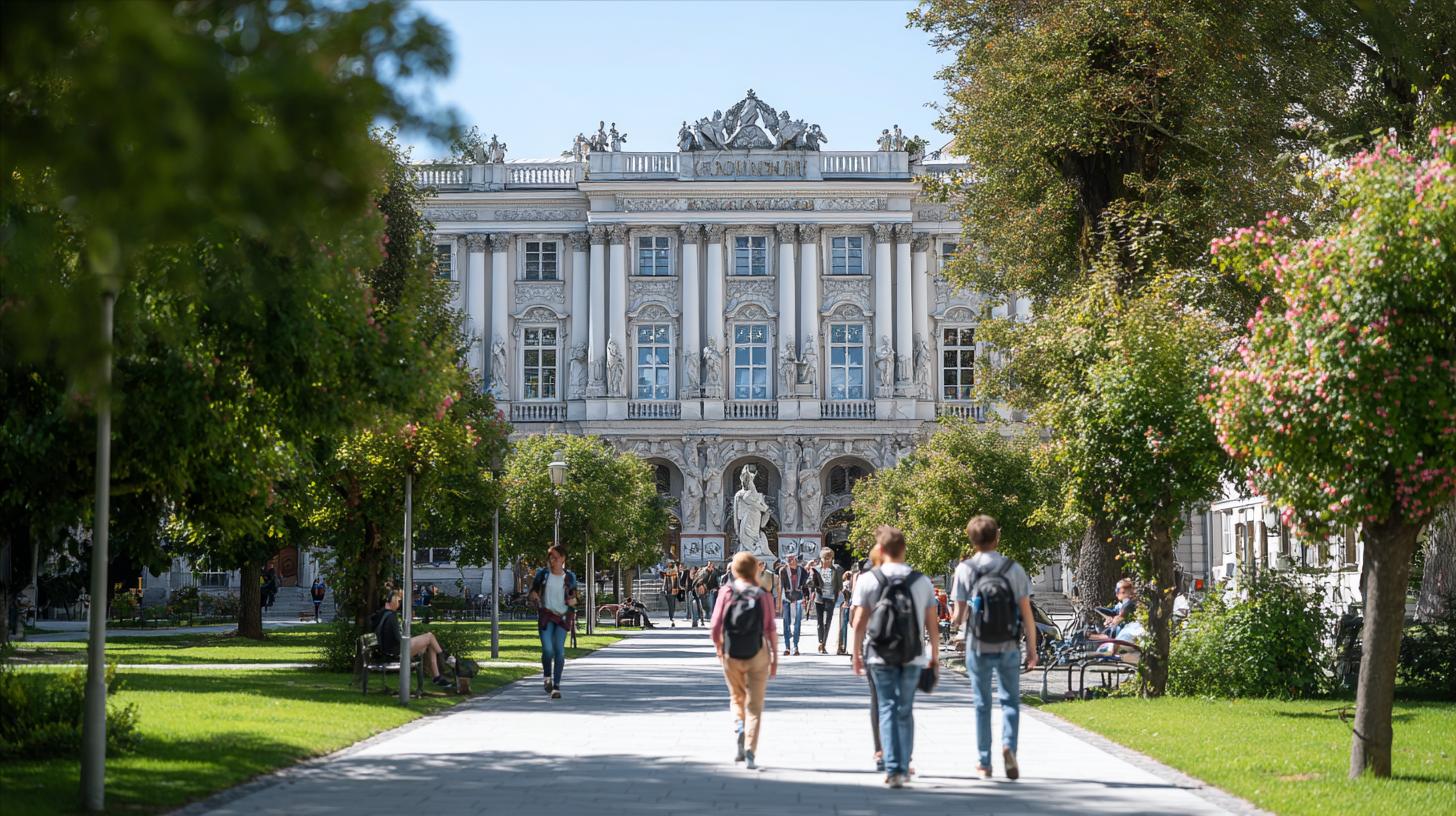
Austrian cities support sustainable, student-friendly lifestyles: bikes, public transit, and second-hand markets keep costs down. Simple habits—cooking at home, using student discounts, and sharing utilities—stretch limited budgets effectively.
Create a monthly budget that divides spending into rent, food, transportation, insurance, and savings. Track expenses for the first few months to identify areas where you can trim costs without sacrificing quality of life.
Explore university cafeterias (Mensa) and local markets for affordable, nutritious meals. Meal prepping and shared grocery runs with flatmates are both social and economical strategies that many students adopt successfully.
How Austria compares to other European study destinations
Austria often combines lower tuition with high academic standards compared to the UK and US while maintaining excellent research infrastructure similar to Germany and the Netherlands. The central location and multilingual environment give Austria a distinctive advantage for students seeking European mobility.
For those prioritizing innovative research and industry ties, Austrian technical universities provide strong programs with applied projects and corporate partnerships. For humanities and social sciences, university traditions and Vienna’s cultural depth offer intellectual richness not easily matched elsewhere.
Ultimately, the best choice depends on your field, language preferences, and career goals. Austria is especially compelling if you want a balance of affordability, quality, and strategic European access.
Final practical checklist before you leave
Confirm acceptance and tuition arrangements, secure health insurance, and complete visa and residence permit steps. Arrange temporary accommodation if your housing isn’t finalized and set up a budget for the first three months to avoid surprises.
Pack essentials, but plan to buy some items locally to save space and adapt to local electrical standards. Prepare digital copies of your documents and keep originals in a secure folder accessible on arrival.
Finally, connect with university orientation programs and student groups before arrival. A small investment of time in the weeks before travel pays dividends in easing your transition and helping you form friendships from day one.
Studying in Austria opens doors to high-quality education, practical work opportunities, and a lifestyle that balances study with cultural richness. With organized planning, realistic budgeting, and a willingness to engage locally, you can turn your Austrian studies into a launchpad for international careers and lasting personal growth.
At Cuberfy, we help you move to the country you want and study what you want — so you can become a strong, highly skilled professional and build the life of your dreams. Learn more and start your journey here: Go to the main page