


The Czech Republic has quietly become one of the most attractive destinations in Europe for students seeking high-quality education without crippling tuition bills. Public universities here offer many degree programs without fees if you study in Czech, and reputable English-taught programs often come with scholarships or reasonable tuition. Beyond cost, graduates benefit from strong industry links, practical training, and degrees that align with European standards—factors that make the country a smart stage for building an international career.
Why the Czech Republic matters for international students
Location matters. The Czech Republic sits at the heart of Europe, blending central-European accessibility with a lower cost of living than many Western capitals. That geographic advantage translates into internships, cross-border job opportunities, and easy travel to major business centers across the continent.
Quality matters. Czech public universities are part of the European Higher Education Area and follow the Bologna Process, which standardizes degree structures and credit systems. This alignment improves the transferability and international recognition of qualifications, meaning a degree earned here can open doors across Europe and beyond.
Value matters. For students focused on return on investment, the possibility of Czech universities tuition free—when studying in Czech—is compelling. Even when programs charge fees, those fees are often lower than comparable programs in the UK, US, or Western Europe, and scholarships, grants, and work opportunities further reduce net cost.
How free education works in the Czech Republic
At most public universities, tuition is waived for study in the Czech language at bachelor’s and master’s levels. The principle is straightforward: if you can follow your program in Czech, you generally study tuition-free. This policy stretches back decades and reflects a public commitment to higher education as a public good.
English-taught programs are a different landscape. Many of the most popular international courses charge tuition, but fees vary and so do funding opportunities. Some universities explicitly offer scholarships to attract talented international students, while others keep fees modest to remain competitive.
Practical training and internships are often built into degree programs, which means students don’t just graduate with theory—they graduate with experiences that employers value. That built-in practical component is one reason graduates find the transition to work smoother than in some education systems.
Top cities and universities to consider
Prague is the clear magnet for international students, with a vibrant cultural scene, multiple top universities, and a large international community. Study in Prague for foreigners is more than a phrase—it’s a lived experience, with English-language services, student clubs, and multinational employers concentrated in the city.
Brno, the second largest city, is an academic and technology hub. With a large student population and a thriving startup ecosystem, Brno offers a slightly lower cost of living and direct access to employers in engineering, information technology, and life sciences.
Other cities such as Olomouc, Plzeň, and Hradec Králové host respected institutions with strong regional ties. Smaller cities often offer a quieter student life and affordable housing while maintaining high academic standards.
Notable institutions
Charles University in Prague is one of the oldest in Central Europe and offers a broad array of disciplines. Its reputation and research output make it an attractive choice for students pursuing medicine, humanities, and sciences.
The Czech Technical University and the University of Chemistry and Technology are well regarded for engineering and technical subjects. Masaryk University in Brno has strong ties to industry and a broad international profile that appeals to students across disciplines.
These institutions, among others, contribute to the idea of free education in Czech Republic—because their public status and integration into the European space create accessible pathways for many students.
Admission pathways for international students
Applying as an international student varies by program and level. Bachelor’s programs often require a completed secondary education with recognized credentials, while master’s applicants need a relevant undergraduate degree. Doctoral programs demand research proposals and potential supervisor matches.
Language is a crucial factor. For tuition-free Czech-taught programs, applicants must demonstrate proficiency in Czech—often through university-run exams or recognized certificates. For English programs, proof of English ability via tests such as IELTS or TOEFL is typically required.
Application timing matters. Many universities open applications in late winter or spring for fall start dates, though some programs have rolling admissions. International students should plan months ahead to gather transcripts, translations, notarizations, and any entrance exam materials.
Preparatory and foundation courses
Universities commonly offer preparatory Czech-language courses or foundation years to help international applicants meet linguistic and academic requirements. These programs are intensive and focus on both language and subject knowledge necessary for degree-level study.
Enrolling in a preparatory year can be a strategic choice for students who want the benefit of Czech universities tuition free in the long term. Completing language training first means you can later access tuition-free study options and deepen ties with local faculty and employers.
Many students find these preparatory courses invaluable for cultural acclimation as well—learning how academic systems work, how to approach professors, and how to navigate student bureaucracy.
Understanding the Czech student visa and residence requirements
Non-EU students typically need either a long-term visa for the purpose of studies or a long-term residence permit for study, depending on the duration of the program. Citizens of EU/EEA countries do not need visas and enjoy freedom of movement for study and work.
Visa procedures require documentation such as a letter of acceptance from a university, proof of sufficient funds, health insurance, and often a clean criminal record. Timelines vary, so starting the process early is essential to avoid delays that could affect enrollment.
Universities usually provide guidance and checklists for visa applicants. Many international offices assist with translations, confirmations of accommodation, and official letters—support that simplifies what can otherwise be a bureaucratic maze.
Learning Czech: a strategic investment
Even when studying in English, learning Czech is a practical advantage. It opens up internship opportunities, improves chances of local employment, and enriches daily life. Employers often prefer candidates who can handle local communications and navigate administrative tasks in Czech.
Language study also affects cost: access to Czech-language programs can mean tuition-free study, which drastically reduces total educational expense. Investing time in intensive language courses can therefore pay off academically and financially.
From personal experience, I found that even modest conversational ability reshaped my time in the country. Small efforts—learning formal greetings, reading local news, and practicing with classmates—built confidence and professional connections that mattered during job hunting.
Costs of living and realistic budgets
While tuition may be free in some cases, living expenses still matter. Prague is the most expensive city, while student towns and smaller cities offer more affordable rent and everyday costs. Budgeting accurately helps avoid surprises and keeps academic focus where it belongs.
Below is a simple table with estimated monthly expenses to give prospective students a practical starting point. These are illustrative averages and will vary by lifestyle and city.
| Expense | Prague (USD) | Brno (USD) | Smaller city (USD) |
|---|---|---|---|
| Rent (shared apartment) | $400–$700 | $300–$500 | $200–$400 |
| Food & groceries | $200–$300 | $180–$260 | $150–$230 |
| Transport & utilities | $60–$120 | $50–$100 | $40–$80 |
| Health insurance & misc. | $80–$150 | $70–$130 | $60–$120 |
Students can lower costs through university dormitories, meal plans, and public transport discounts. Part-time work or internships also help offset expenses while providing valuable experience.
Financial planning should include one-time costs such as visa fees, housing deposits, and arrival expenses. Building a buffer for the first semester is a practical safeguard for newcomers.
Scholarships, grants, and funding sources
Several scholarship routes can make studying in the Czech Republic even more affordable. The Czech government offers scholarships for certain countries and fields, and many universities provide merit-based awards for international applicants.
EU programs like Erasmus+ fund student exchanges and short-study programs, allowing students to pay home university fees while studying abroad. Private foundations and bilateral scholarships between countries also create targeted funding options.
When researching scholarships, look for eligibility details, application deadlines, and required supporting documents. Applying early and tailoring essays to the funder’s priorities increases the chances of success.
Working while studying and post-graduation options
Students from the EU/EEA can work in the Czech Republic without special permits, which simplifies balancing study and employment. Non-EU students are allowed to work but must comply with visa conditions; many find part-time roles compatible with study schedules.
Universities often post part-time job opportunities on campus or through career centers. Typical student roles include research assistantships, tutoring, hospitality, retail, and roles in international offices where English is an asset.
Work after study in Czech Republic usually requires a transition from a student residence permit to a work-based residence status. Many graduates secure employment with local or multinational firms and switch to an employee card, Blue Card, or another work permit depending on qualifications and job type.
Employer pathways and hiring trends
International graduates often find entry points through internships that convert to full-time roles. Tech, engineering, pharmaceuticals, and finance are active sectors with multinational presence and demand for skilled talent.
Networking plays a large role in hiring. Career fairs, university connections, and alumni networks are practical channels that make job searches more efficient. Czech employers value practical experience, so internships and project-based work can make candidates stand out.
Understanding local recruitment norms—such as CV formatting, interview etiquette, and professional references—gives applicants an edge. Career services at universities typically provide coaching and workshops for this reason.
Czech degree international recognition and academic quality
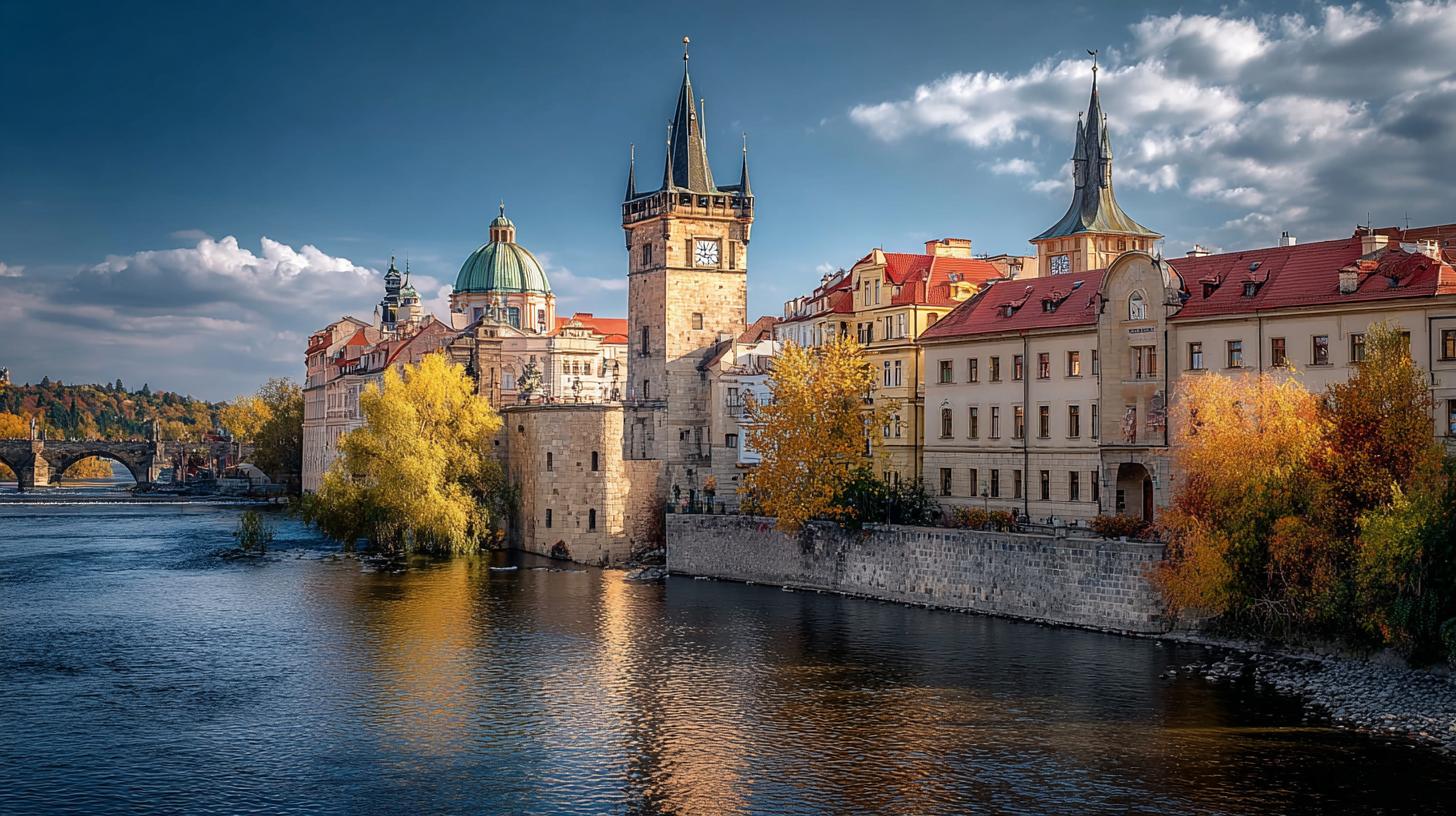
The Czech Republic’s participation in the Bologna Process ensures that degrees conform to a European framework, facilitating credit transfer and international recognition. ECTS credits, diploma supplements, and standardized degree levels simplify mobility for further study or work abroad.
Accreditation processes and research collaborations with international partners strengthen reputations. Many Czech universities participate in cross-border research projects and joint degrees that increase the global visibility of qualifications.
For students considering graduate studies or professional accreditation abroad, documentation such as the diploma supplement helps foreign institutions and employers evaluate academic credentials more transparently.
Industries with strong career prospects
The Czech job market is particularly strong in technology, engineering, automotive manufacturing, and life sciences. Prague and Brno host large tech companies, research labs, and vibrant startup ecosystems that actively recruit graduates.
Manufacturing and automotive industries maintain a steady demand for engineers and supply-chain specialists. Similarly, finance and consulting firms often look to universities for specialized talent in quantitative fields and business analytics.
For students in creative fields, Prague’s media and cultural sectors offer internships and project work that can lead to professional roles. Overall, the combination of academic preparation and industry connections gives many Czech graduates a practical advantage.
Practical tips to improve admission and career outcomes
Start early and plan backwards from your desired start date. Compile translated transcripts, prepare for language tests, and gather supporting documents well before application deadlines. Delays in certification or translations are common and can derail timing.
Invest in language skills even if your program is in English. Practical Czech improves employability, daily life, and access to tuition-free options. Short courses, language tandems, and university Czech-language programs are all viable paths.
Seek internships and project work during studies. Practical experience not only enhances your CV but also builds relationships with potential employers. Apply for industry-linked thesis projects or part-time roles that align with your field of study.
Networking and cultural integration
Attend career fairs, join student organizations, and volunteer in local projects to build a professional network. Personal introductions and alumni referrals are often decisive during hiring processes, especially in smaller industries or regional hubs.
Understanding local workplace culture helps in interviews and day-to-day professional life. Politeness, punctuality, and clear communication matter; so does an openness to local norms and a willingness to adapt.
Living with Czech roommates or participating in community events accelerates cultural learning and creates informal connections that can become professional leads later on.
Real-life examples and author insights
I remember advising a friend from India who chose a preparatory Czech course before starting a budget-friendly engineering program in Brno. Within two years, not only had she benefited from tuition-free study, but a summer internship turned into a full-time role that sponsored her work permit.
Another acquaintance from Germany began in an English-taught master’s program in Prague and used university career services to secure a market-research internship. That experience led to a multinational consulting role across Central Europe, illustrating how internships and networks convert academic qualifications into careers.
From my own observation, students who balance language learning, internships, and active networking tend to achieve the strongest outcomes. The academic system supports practical routes to employment, but individual initiative makes the difference.
Common pitfalls and how to avoid them
Assuming all programs are tuition-free is a frequent mistake. Clarify language requirements and fee structures before applying, particularly for English-taught degrees, and read program pages carefully to understand scholarship availability.
Underestimating living costs can create unnecessary stress. Make conservative budget estimates, secure initial housing, and keep a contingency fund for unexpected expenses during the first semester.
Delaying visa steps is another common error. Visa processing can take weeks or months depending on your country of origin, so begin as soon as you receive an admission letter to avoid last-minute rushes.
Checklist: steps to take if you want to study in the Czech Republic
1. Choose programs and verify language and fee requirements. Compare English-taught and Czech-taught options for cost and career alignment.
2. Prepare documents: transcripts, translations, passport, motivational letter, and proof of funds. Check whether entrance exams or portfolios are required.
3. Apply to universities early and follow up with admissions offices if documents are missing. Secure conditional letters when necessary to begin visa processes.
4. Apply for a Czech student visa or long-term residence permit if you are a non-EU national. Gather health insurance and housing confirmations to support your visa application.
5. Arrange accommodation, enroll in language or preparatory courses if needed, and research local banking and mobile services before arrival.
6. Engage with career services, seek internships, and build local networks from the start to improve long-term employment prospects.
Final practical resources
University international offices are the most direct source of reliable, up-to-date information about admissions, scholarships, and visa support. Contact them early and treat them as an ongoing resource during your studies.
Official government websites detail visa requirements and residence permits. For non-EU students, starting the visa conversation early with consulates or embassies avoids surprises and reduces stress.
Professional networks, LinkedIn groups, and student communities offer candid advice about living, studying, and working in the Czech Republic. Real-world stories from current students often clarify what official pages cannot.
The Czech Republic offers a compelling blend of affordable education, quality degrees, and practical pathways to work, especially for students willing to learn the language and engage with local industries. Whether you pursue a tuition-free Czech-language program or an English-taught degree with scholarship support, the combination of academic credibility and central European location makes this country a strategic choice for building a career.
At Cuberfy, we help you move to the country you want and study what you want — so you can become a strong, highly skilled professional and build the life of your dreams. Learn more and start your journey here: Go to the main page