

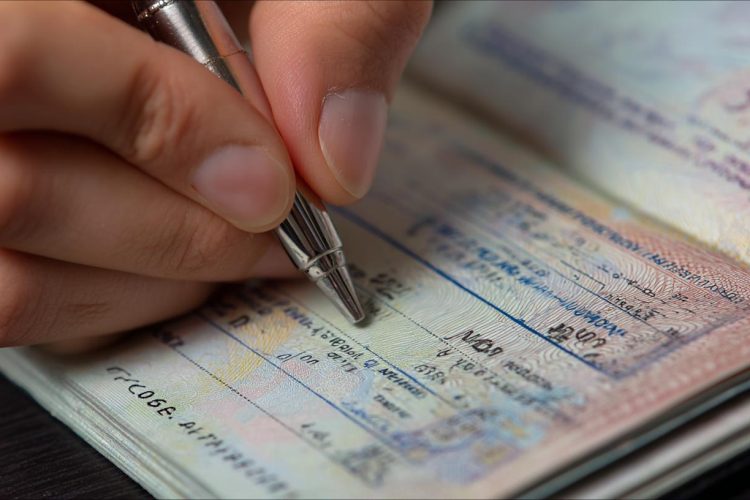
Planning to study overseas is exciting and unnerving in equal measure. The paperwork, deadlines, and unfamiliar rules can make even the most organized student feel overwhelmed. This article walks you through the essentials, practical tactics, and common pitfalls so you can focus on choosing the right program instead of wrestling with forms.
What a student visa actually does
A student visa is permission from a government that allows you to enter and live in a country for the primary purpose of studying. It usually ties you to a specific program or institution and comes with conditions — length of stay, work rights, and progress requirements are the most common. Think of the visa as both a key and a rulebook: it opens the door, but it also tells you how to behave once inside.
Different countries issue different types of study permits or visas, but they share common goals: verify you are truly enrolled, ensure you can support yourself, and confirm you won’t become an immigration risk. Immigration officials balance educational opportunity with national policy, so being thorough and honest with your application is essential. Understanding what the government wants is half the battle in getting approval.
Key eligibility criteria across destinations
Eligibility hinges on a few predictable elements: acceptance to a recognized institution, evidence of finances, clean immigration history, and sufficient language ability. Some countries require specific health checks or police clearances as well. These requirements don’t change dramatically between nations, but the documentation and thresholds can vary widely.
For example, many English-speaking countries require proof of language proficiency — typically IELTS, TOEFL, or similar tests — while countries with tuition caps or scholarship programs might ask for additional evidence of academic merit. Meeting the minimums helps, but exceeding them strengthens your case. It’s not just about qualifying; it’s about presenting a persuasive, well-organized file.
Essential documents to prepare
At the core of every application are a few non-negotiables: your passport, a formal acceptance letter from the school, proof of funds, and passport-style photos. You’ll also need completed visa application forms and payment for fees. Keep in mind that several documents often require translations and certified copies if not originally in the host country’s accepted language.
Academic transcripts, diplomas, or certificates are commonly requested to confirm you meet program entry requirements. Some countries ask for a study plan or statement of purpose explaining why you chose the program and how it fits your career goals. Organizing these earlier reduces stress later — gather originals and at least two clear photocopies of everything.
How to get student visa: step-by-step
Start by securing an offer from an accredited institution; that acceptance document typically triggers your visa application. Next, collect all required paperwork, arrange translations and certifications, and complete the visa form accurately. Book any mandatory medical exams and schedule biometrics or interviews if the destination demands them.
Once you submit, track the application and respond promptly to any official requests for additional information. Processing times vary, so apply well before the start date — many embassies recommend at least three months lead time. A calm, organized approach avoids last-minute headaches and increases your chances for approval.
Financial proof: what counts and what doesn’t
Nearly every visa authority insists you prove you can pay tuition and living costs for the duration of your stay. Acceptable evidence typically includes bank statements, fixed deposits, scholarship award letters, or sponsorship affidavits. Some countries specify the balance required or demand funds in a particular format, like a blocked account.
Family gifts, loans, and sponsor letters are often permitted but may need supporting documentation — loan sanction letters, sponsor employment records, and evidence of relationship. Don’t underestimate the importance of timing: many authorities require the funds to be in the account for a set period before application. Prepare this early and document it clearly to avoid queries.
Language requirements and tests
Language proficiency is a common hurdle, especially for undergraduate and graduate programs delivered in English. Tests like IELTS and TOEFL measure reading, writing, listening, and speaking, and institutions set minimum scores. Some schools accept alternative qualifications, like prior study in English or university-level coursework taught in English.
Preparation matters: a higher score not only satisfies the visa officer but also smooths your academic transition. If you’re short of the score, consider pathway or foundation courses that build language skills and often come with conditional offers. These routes add time and cost, but they’re a practical fix when direct entry isn’t feasible.
Medical exams, vaccinations, and health insurance
Several countries require a medical exam to ensure you don’t have conditions of public health concern. The specifics vary: chest X-rays, blood tests, and general examinations are common items. In some cases, vaccinations for diseases like measles or meningitis must be up-to-date before approval.
Health insurance is essential and sometimes mandatory. Policies often must meet minimum coverage levels or be from approved providers, and you may need to show proof at the border. Consider insurance that covers emergency evacuation and chronic condition management, since out-of-pocket medical costs abroad can be high.
Acceptance letters, Certificates of Enrollment, and immigration documents
The formal acceptance letter from your institution is usually the single most important paper in the application. In certain countries, that offer converts into an immigration document — like the U.S. I-20 or the UK Confirmation of Acceptance for Studies (CAS) — which you must present to the immigration authorities. Treat that document with the same care you would a passport.
These documents often include program start and end dates, tuition details, and your personal info. Verify everything is accurate — a mismatch in names or dates can delay or derail a visa. If your program changes after receiving the immigration document, inform both the school and the visa office to maintain compliance.
Biometrics, interviews, and visa appointments
Many countries require fingerprints and a photo as part of identity verification. Appointments for biometrics or interviews are usually scheduled online after you submit the application. Being punctual, bringing the right paperwork, and dressing neatly for an interview all signal seriousness and preparation.
Interview questions typically probe your academic intentions, funding, and plans after graduation. Honest, concise answers work best; rehearsing common questions helps you stay calm. If you have gaps in documentation or an unusual background, prepare clear explanations supported by records.
Police certificates and background checks
Some visa programs request a police clearance certificate from every country where you’ve lived for a specified period. This helps authorities assess whether you pose a security risk. Obtaining these certificates can take time, and requirements differ widely depending on the issuing agency and country.
Start the process early, especially if you’ve lived in multiple places. Keep copies of application receipts, and if a certificate cannot be obtained, secure an official letter explaining why. Transparent communication with the visa office often avoids misunderstandings that lead to delays.
Country-specific highlights: United States
The U.S. issues F-1 and M-1 visas for academic and vocational study, respectively; the process begins once you’ve received an I-20 from a Student and Exchange Visitor Program (SEVP)-certified school. Applicants must pay the SEVIS fee, complete the online visa form, and attend an interview at a U.S. consulate or embassy. Financial proof, intent to return home, and ties to the home country are scrutinized closely.
The F-1 visa allows limited on-campus work and practical training through CPT and OPT after program completion. OPT is a competitive and valuable opportunity but requires coordination with both your school and immigration authorities. Timelines and documentation for OPT are strict — missing a deadline can cost months of opportunity.
Country-specific highlights: United Kingdom
The UK issues the Student visa (formerly Tier 4), which requires a Confirmation of Acceptance for Studies (CAS) from your institution. You must show adequate funds for living costs and tuition, and in some cases, pass a tuberculosis test depending on your country of residence. The immigration health surcharge, payable with the visa application, grants access to the National Health Service during your stay.
Work rights allow part-time employment during term and full-time during official breaks, subject to restrictions by program level. Graduate routes and post-study work options have evolved in recent years; the UK now offers a Graduate route that permits eligible graduates to stay and work for two years or more depending on level. Planning ahead ensures you choose programs that align with long-term goals.
Country-specific highlights: Canada
Canada’s study permit process often requires a letter of acceptance, proof of funds, and clear travel history. Many international students qualify for work while studying; a work permit can accompany on-campus or co-op placements. After finishing studies, pathways to permanent residency are available through programs like the Post-Graduation Work Permit (PGWP), which makes Canada attractive for career-focused learners.
Applying from inside Canada is possible in specific circumstances, and biometrics are commonly required. Canada’s system prioritizes transparency and timelines, but processing times still vary. Researching provincial differences and ensuring your program qualifies for a PGWP is crucial if long-term residency is part of your plan.
Country-specific highlights: Australia
Australia’s Student visa (subclass 500) mandates enrollment in a registered course and proof of overseas student health cover. Financial evidence, a genuine temporary entrant statement, and sometimes character checks are necessary. The visa permits limited work hours during study and full-time during breaks; work rights have shifted over time so check the latest details before committing.
Post-study work visas are available for graduates from eligible institutions and courses, offering a pathway to work experience in Australia. The balance between study, part-time work, and maintaining academic progress is delicate here — failing to meet course attendance or performance standards can have visa consequences. Be vigilant about compliance.
Country-specific highlights: Schengen area and Europe
Schengen countries and other European states operate a mixture of national student visas and longer-term residence permits for students. Requirements often include proof of accommodation, funds for living expenses, and health insurance. The Schengen visa allows short stays for certain nationalities, but long-term study typically requires national-level permits.
Many European programs have low or no tuition for EU citizens and competitive fees for internationals, but rules depend on your country of choice. Language requirements vary — some countries offer programs in English, while others expect fluency in the local language. Research language conditions carefully before applying.
Common mistakes that cause refusals
Frequent errors include incomplete documentation, insufficient financial proof, inconsistent information between forms, and missing deadlines. Small mistakes like name mismatches or outdated passports are surprisingly consequential. Failing to disclose previous visa refusals or criminal history also undermines credibility and can lead to denials.
Another common issue is over-reliance on verbal promises from sponsors without written evidence. Always secure official bank statements or sponsorship affidavits and ensure dates align with visa requirements. Address any gaps in your file before submission to minimize the risk of refusal.
What to do if your application is refused
If you receive a refusal, read the decision letter carefully — it will state reasons and whether an appeal or administrative review is available. Some refusals are correctable through a fresh application with stronger evidence; others may require legal advice. Acting quickly is important because appeals have tight deadlines and different procedures depending on the country.
Learn from the refusal: get professional feedback, correct the deficiencies, and gather any missing documentation. In my experience helping students, those who systematically addressed the reason for refusal and re-applied with a complete, well-organized file had far better outcomes than those who rushed another application.
Timeline and realistic expectations
Visa processing times range from a few weeks to several months, and peak periods can stretch those windows. Start the process as soon as you receive an offer and keep in mind additional steps like medical exams and police certificates that add time. Building a buffer of several months prevents stress and lets you focus on travel logistics and housing.
Track deadlines for fee payments and document submissions carefully; missing a payment can invalidate your offer and delay the visa. Regularly check official government sites for updates since processing times and requirements change. Staying proactive is the single best way to manage uncertainty.
How to prepare for the visa interview
Interview preparation is straightforward: know your study plan, funding sources, and post-study intentions. Practice concise and truthful answers to predictable questions like why you chose the program and how you will cover expenses. Bring organized supporting documents in a folder so you can quickly hand them to the officer if requested.
Remain calm and avoid rehearsed answers that sound robotic; honesty and clarity are persuasive. If you don’t know an answer, say so and offer to provide the correct document or follow-up information. Confidence and preparation go a long way in interviews that are often brief and direct.
Working during study: rules and strategies
Many countries permit limited work for students to help cover living costs and gain experience, but conditions vary: hour caps, types of permissible employment, and employer requirements are typical constraints. Understand the rules before accepting work to avoid jeopardizing your status. On-campus roles are often safer as they tend to align with visa conditions.
Balancing work with academic demands requires discipline. Prioritize studies in the first semester while you adjust to a new country and system; consider part-time work only once you are comfortable. Use campus career services — they often list positions that comply with visa rules and connect students to internships relevant to their programs.
Changing programs, extensions, and visa transfers
Changing programs or extending your stay usually requires notifying immigration authorities and sometimes reapplying or obtaining a new immigration document. Minor changes may be allowed with institutional approval, while major shifts — like changing from a short course to a full-degree program — often require fresh applications. Follow the formal process to avoid lapses in status.
If you plan to switch institutions or move to a different visa category, consult your school’s international office or a qualified advisor early. I once worked with a student who switched from a language course to a degree program; by coordinating with both schools and the visa office she avoided a gap in permission and preserved her eligibility for future work permits.
Post-study options and immigration pathways
Many students aim to stay and work after graduation, and countries increasingly offer post-study work options that can lead to permanent residency. Eligibility is often tied to the level and duration of study and whether the institution is accredited. Knowing this before you choose a program can save time and align your studies with long-term goals.
Research the specific pathways available where you plan to study — policies change and can be influenced by labor market needs. If settling permanently is your aim, plan coursework, internships, and work experience with that end in mind. A strategic approach improves your chances of a smooth transition from student to professional life abroad.
Cost breakdown: typical fees and expenses
Budgeting realistically is crucial. Tuition rates vary dramatically by country and program level, and living costs depend on city and lifestyle. Factor in visa application fees, medical exams, insurance, airfare, and initial housing costs to avoid surprises after arrival.
| Expense | Typical range (USD) |
|---|---|
| Visa application fee | $50–$500 |
| Medical exam & vaccinations | $50–$400 |
| Health insurance (annual) | $300–$2,000 |
| Proof of funds requirement | $5,000–$30,000 |
| Flight (one-way) | $300–$2,000 |
| Initial accommodation deposit | $500–$3,000 |
Checklist before you apply

Creating a checklist simplifies the study visa process and helps ensure you don’t overlook key items. Include acceptance letters, updated passport, financial statements, translations, medical and police records, language test results, and any forms required by the embassy. Double-check document validity dates and signature requirements.
- Secure formal acceptance from your institution
- Arrange certified translations for non-English documents
- Prepare bank statements or sponsorship letters
- Complete required medical exams and vaccinations
- Register and prepare for language tests if necessary
- Schedule biometrics or visa interviews
- Purchase appropriate health insurance
Tips to strengthen your application
Presentation matters. A clear cover letter summarizing your supporting documents and purpose of travel helps visa officers review your case quickly. Organize documents in a logical order and label them so the reviewer can follow your story without hunting for evidence.
Strong personal statements or study plans that describe why the chosen program fits your career path bolster credibility. Include concrete plans for post-graduation and how your studies will benefit your home country if asked to demonstrate intent to return. Specificity beats vague statements every time.
Real-life example: a typical student journey
A friend of mine from engineering wanted to study renewable energy in Canada and began the process a year before departure. She secured conditional admission, prepared financial guarantees and a study plan, and handled a medical exam and biometrics. Her early planning allowed time to address minor document gaps and arrive with confidence.
She used campus advisers to navigate work rules and industry networking, which led to a co-op placement and a subsequent job offer. That practical experience turned a temporary study stay into a longer-term career opportunity — a reminder that the visa is only the first step in a larger plan.
When to use an immigration advisor or lawyer
Most straightforward student visa applications don’t require legal counsel, but complex cases benefit from professional help. If you have prior refusals, criminal records, or intend to change visa categories quickly, an accredited immigration advisor or lawyer can navigate nuances and reduce risk. Choose advisors with verifiable credentials and client references.
Be cautious of services that promise guaranteed outcomes; no legitimate advisor can assure a visa. Their role is to clarify legal requirements, organize documentation, and represent you when allowed. If you decide to use one, document the terms, fees, and what they will do on your behalf.
Student visa requirements: balancing honesty and strategy
Honesty is non-negotiable. Misrepresenting information can trigger bans, refusals, and long-term damage to your ability to travel. At the same time, presenting your case strategically — highlighting strong ties to your home country when necessary, demonstrating clear funding sources, and showing academic intent — increases success odds without stretching the truth.
One practical strategy is to build a concise supporting file that directly ties documents to the visa criteria. Use a table of contents for your document bundle and annotate items that might otherwise be unclear. This makes a good impression and helps officers process your file more efficiently.
Staying compliant during your stay
Visa compliance continues after arrival: maintain full-time enrollment, meet attendance and academic standards, and notify authorities or your institution if your address or program changes. Report errors or lost documents immediately and follow local rules for extending or changing your permit. Ignoring these obligations risks cancellation and future travel issues.
Keep copies of all immigration documents on hand and save digital scans in a secure cloud folder. If you plan to travel outside the host country during your studies, verify re-entry requirements and any necessary travel endorsements to avoid surprises at the border. Small administrative tasks pay big dividends in stability and peace of mind.
Resources and where to get reliable information
Always use official government immigration websites for the most accurate and up-to-date guidance. University international student offices are also valuable — they deal with these processes every day and can provide country- and institution-specific advice. Reputable education consultants and accredited immigration advisors offer additional support, especially for complex cases.
Avoid forums and anecdotal advice as your primary source; policies change frequently and personal stories don’t replace official rules. If in doubt, ask the embassy or the school’s international admissions team for clarification. Clear, direct answers from authoritative sources reduce the chance of missteps.
At Cuberfy, we help you move to the country you want and study what you want — so you can become a strong, highly skilled professional and build the life of your dreams. Learn more and start your journey here: Go to the main page